

Introduction
Welcome to this Episode of The Leadership Stream blog series from the International WaterCentre (IWC).
Water leadership is an essential process to ensure that teams, projects, programs and processes of change are successful. Water leaders work collaboratively to achieve a common direction and sense of purpose, to align resources with that direction and generate motivation and commitment to success (read more here). They require particular skill sets and behaviours to be effective in this work, skills and behaviours that can be developed through a mix of approaches including conscious practice, feedback, coaching, mentoring and learning from research about what works and why.
The purpose of this blog series is to profile emerging water leaders globally, their practices, and how they go about improving their capabilities through leadership development in various ways. Through this our aim is to build wider appreciation of the value of engaging in water leadership development, and ultimately to foster the growth of water leadership capacity globally.
Meet Ala Al Dwairi – our profiled water leader
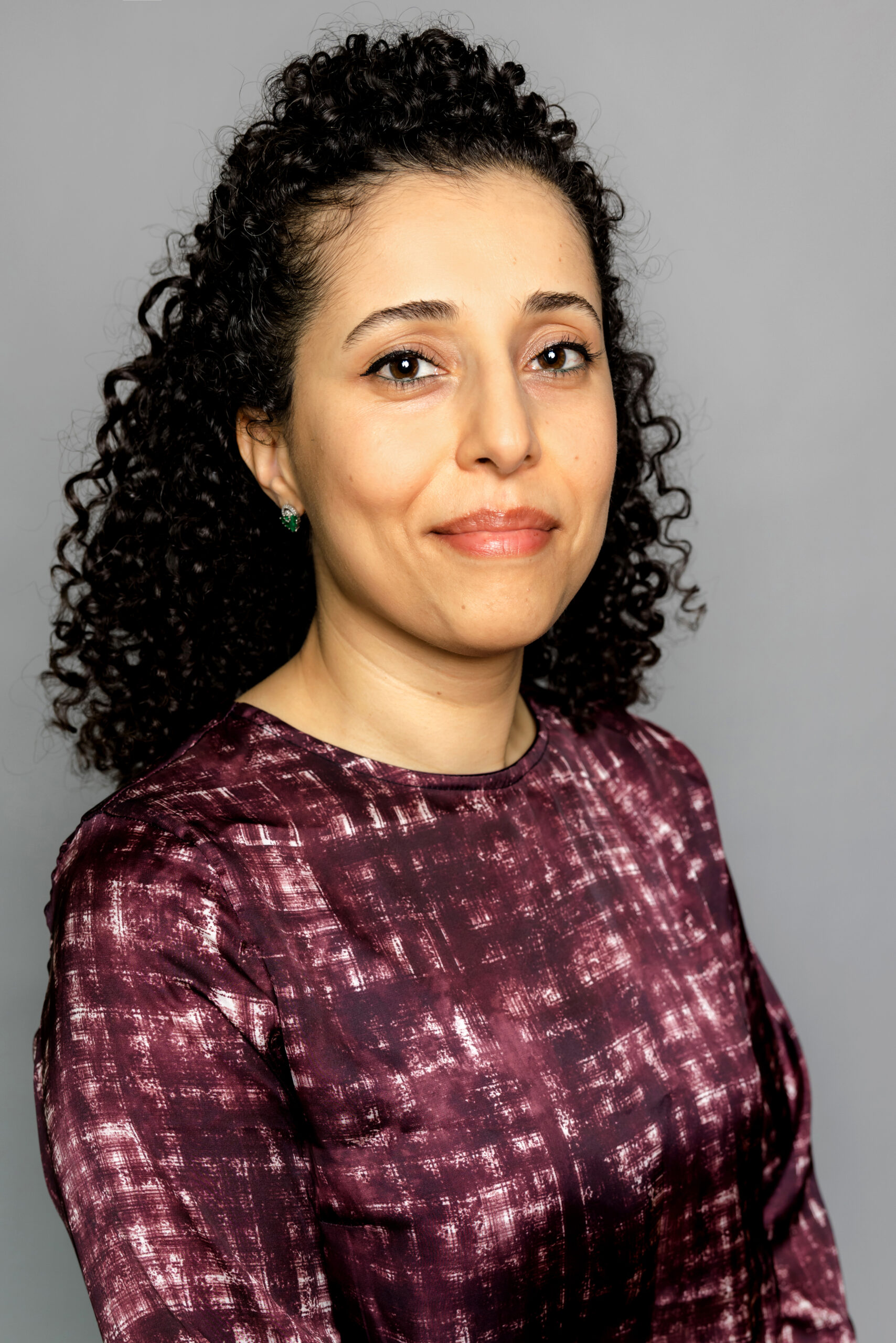 Ala Al Dwairi is a natural infrastructure officer whose career spans civil engineering, ecotourism, academic research, and global water conservation and management. From designing urban water systems in the MENA region to leading international initiatives at IUCN, Ala’s journey reflects adaptability, curiosity, and a commitment to tackling complex environmental challenges. In this interview, Ala shares her story and insights on leadership in the water sector.
We will start off by building a picture of Ala’s backstory – how and why did she move into the water (and land) management sector and end up working with the IUCN?
“My organization isn’t a water utility, but water has always been part of my work. I started as a civil engineer, designing urban sites and controlling water flow, how to divert it, how to keep risks away. It was all about boundaries and AutoCAD plots, connecting water to channels without asking where it goes next. That never sat right with me.”
“Even as a young engineer, I kept asking: we connect water to this channel, and then what? Where does it go? For the engineering company, that was irrelevant because it fell outside the project boundary. That disconnect made me uneasy. I couldn’t see myself doing this for my entire career.”
“So I made a big shift, zero to one hundred, and worked at an ecolodge in Jordan. It was completely off-grid, powered by renewables, and sourced water from a natural spring. I learned how conservation and business can coexist and benefit local communities. That experience planted the idea that I could live and work in harmony with nature.”
“From there, I pursued a master’s in urban climate and sustainability in Glasgow and Finland. I researched projects like Scotland’s Smart Canal, which showed me how cities can manage water sustainably by integrating natural infrastructure. Later, I spent three years in academic research on water security and data-to-decision frameworks, focusing on policy and governance in Jordan and Germany.”
“Today, at IUCN, my work spans water conservation, food security, nature-based solutions, and financing. Every project forces me to wear a different hat. I can’t define myself by one title – I work on water in the most integrated way possible.”
Tell us a story of how investing in leadership development has impacted you and your work
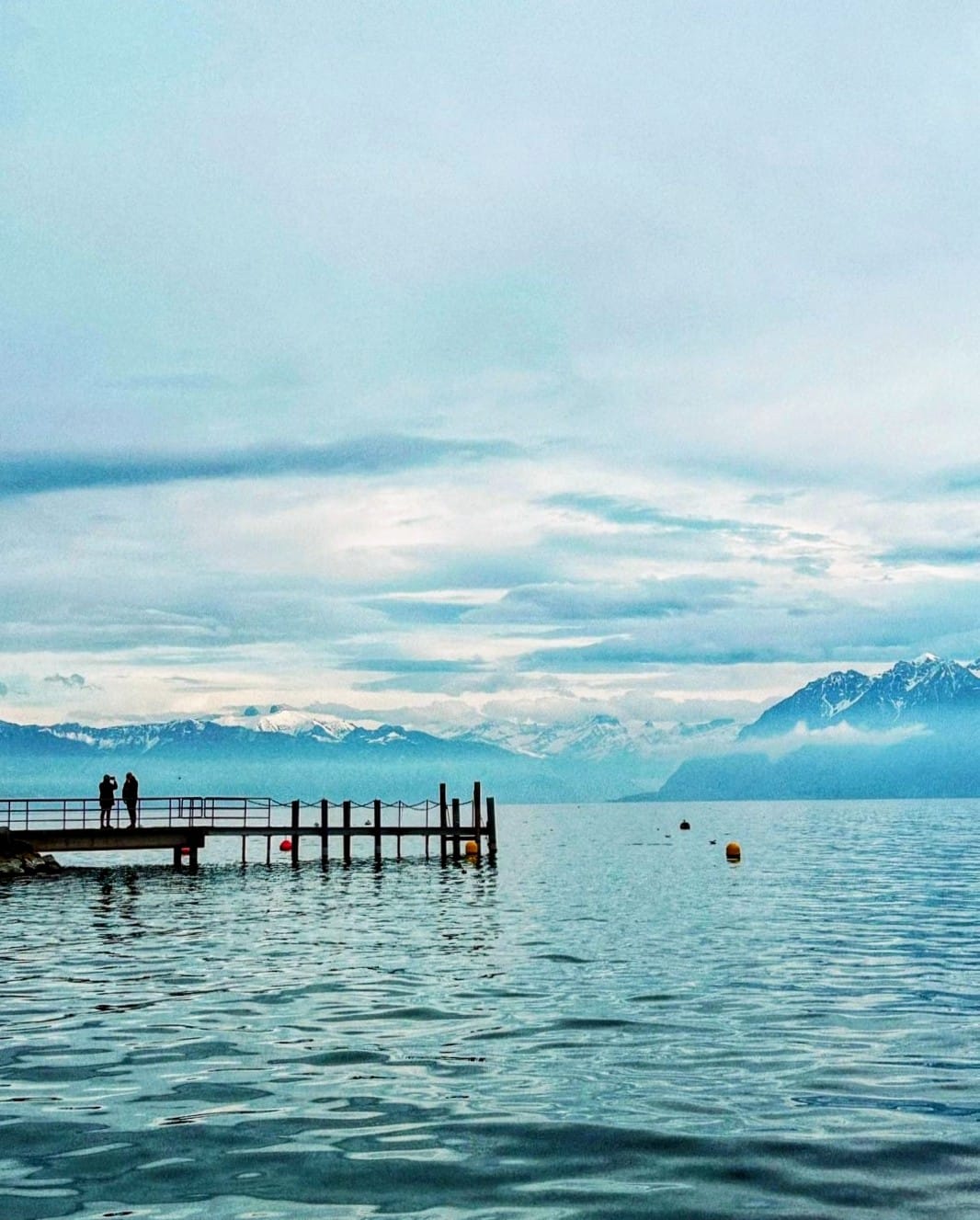
Lake Geneva, Switzerland
“The Pathway Leadership Program was a turning point because it tied everything together for me. I had this diverse background; engineering, ecotourism, academia, intergovernmental work, but I never thought of myself as a leader. The program gave me language and tools to reflect on those experiences and make leadership intentional.”
“Before Pathway, I practiced leadership without realizing it. For example, I was only 24 when I decided engineering wasn’t for me. I made that decision, acted on it, and planned an entire study program abroad. Later, in Glasgow, I volunteered as class representative for two years. I took on responsibilities without thinking of them as leadership acts.”
“Pathway changed that. It brought awareness and intentionality. Now, when I do things, I think of them through a leadership lens. It also pushed me to take on projects without certainty – something I used to avoid. For Level 2, I launched the Glacier Action Network. I started with nothing, built alliances, convinced stakeholders, and created something that now exists as an initiative within IUCN.”
“Looking back, I see the power bases I built and the networks I cultivated. I had to reach out to people, sit with them, and align visions. These were leadership traits I never acknowledged before. The program also taught me to slow down and celebrate progress—something I’ve never done in my life. I’ve always jumped from one project to another without pausing. Reflection was groundbreaking for me.”
What are the most challenging aspects of leadership for you?
“Self-leadership is the hardest. I’ve always swung between extremes; engineering to ecotourism, Jordan to Finland, academia to intergovernmental work. For years, I criticized myself for not fitting a mold. Pathway helped me accept that adaptability is my strength and gave me the term ‘adaptive leader.’ That changed how I present myself and navigate my work.”
“Another challenge is emotional intelligence. Initially, I thought communication meant better presentations or speaking skills. But real communication comes from self-awareness, regulation, and understanding social cues. It’s deeper than words, it’s about connecting authentically. I now see that emotional intelligence underpins communication.”
“Power bases are another challenge. I grew up in a hierarchical culture where leadership wasn’t nurtured. Now I work in flat, flexible environments that require influence without authority. Building power bases aligned with my values – authenticity, honesty, and care is something I’ll keep working on.”
“And then there’s complexity. Water connects to everything, food, energy, ecosystems. Leading in this space means navigating competing priorities and building consensus among diverse stakeholders. It’s challenging, but it’s also what makes the work exciting.”
What does the future look like in terms of your leadership practice and development?
“I’ve made peace with my style — I’ll keep swinging between roles and reinventing myself. Pathway helped me embrace that this is who I am. I like to challenge myself, take on new projects, and learn new skills.”
“In five years, I’ll still be in water management, but working on completely different projects with new skills. I’m already exploring data analytics, AI, and business intelligence because that’s where the world is heading. Even if these aren’t required by my current role, I want to stay relevant and ahead.”
“Leadership for me means staying adaptable, challenging myself, and embracing uncertainty. It’s about creating impact while growing personally and professionally. I see myself continuing to lead initiatives that push boundaries—projects that integrate technology, nature-based solutions, and policy innovation.”
“Ultimately, leadership development will remain central to my journey. It’s the foundation for navigating complexity and driving change.”
Closing Thought: Why Water Professionals Should Invest in Leadership Development
“Leadership isn’t about having all the answers, it’s about starting without them. In the water sector, complexity and uncertainty are constants. Leadership development helps you reframe uncertainty as opportunity, build resilience, and lead with confidence. It’s not just about advancing your career; it’s about shaping solutions for people and the planet.”
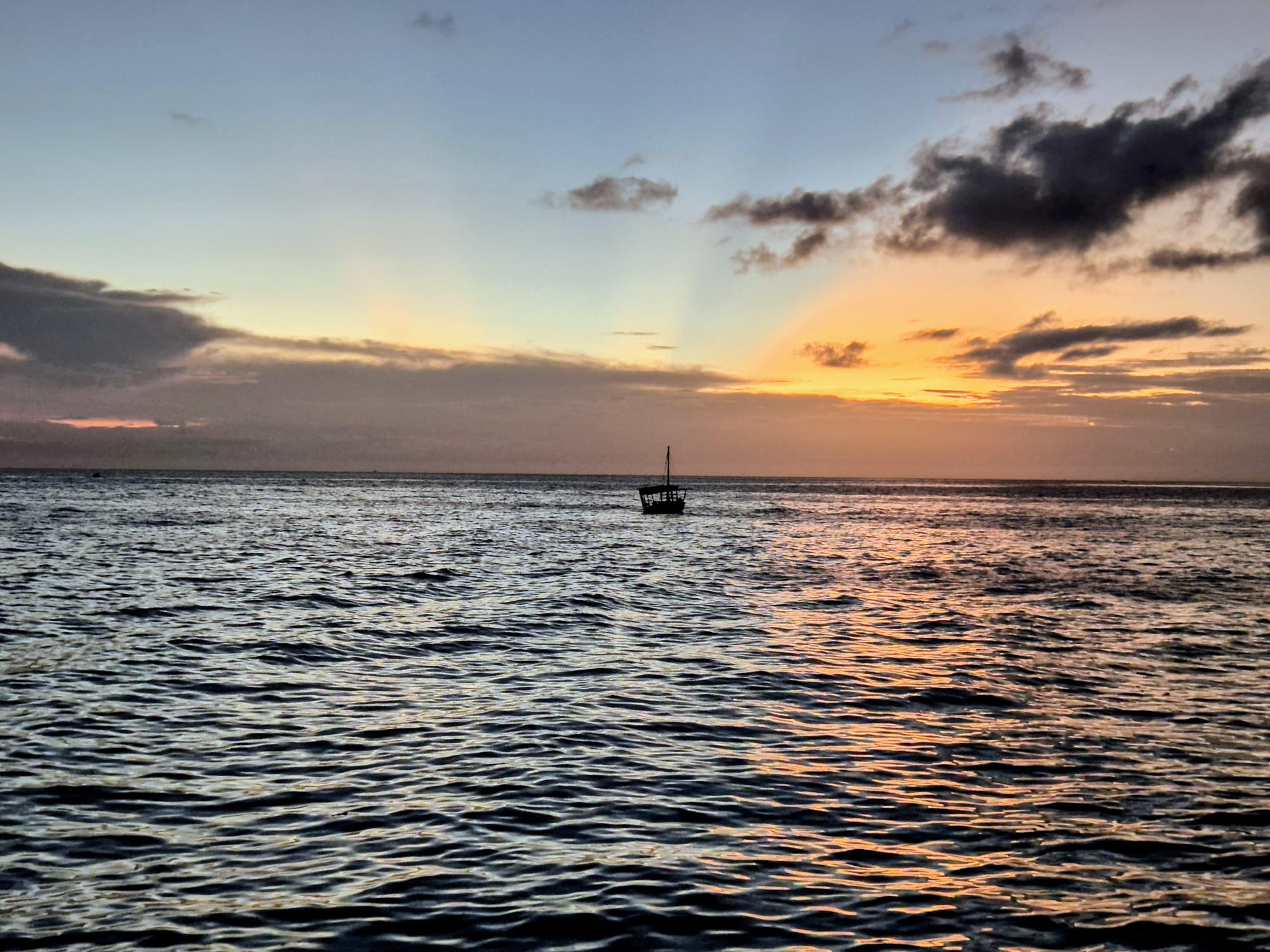
Dar Es Salam, Tanzania